

Packed Lunch: The Italian Way
DifficultySchiscetta, sporta, gamella, brachin… so many names, a single tradition.
|
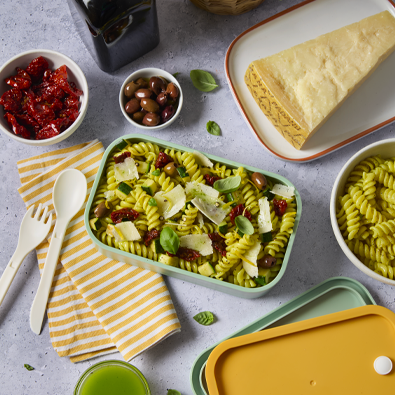
Preparation When It's EatenThe packed lunch isn’t just for the workplace; there are many different occasions for which a great number of Italians opt for its practicality. It might be for a picnic, for a quick and wholesome bite during a day trip, to avoid interrupting a day at the beach, or to provide children with a snack to have during the break between morning lessons. When Out and About: The Packed LunchThe packed lunch in Italy can take many forms: some opt for a simple sandwich or a light salad, while others prefer to bring a portion of pasta, a main course with a side dish, or other more substantial preparations. Many workplaces and schools have a dedicated canteen for the lunch break, but when one isn’t available, it’s common to find a shared kitchen to store and heat food brought from home, as well as a dining area designed to allow everyone to sit together and enjoy their meal in company. Let's Start with the Basics: The Importance of LunchUnlike in many other cultures, in Italy, lunch is the heart of the day. It isn’t just a quick snack, eaten standing up between one commitment and another with a salad or some fruit. It’s a social ritual, an opportunity to switch off from daily activities and take an hour to enjoy carefully prepared dishes, preferably in company. At home or in a restaurant, it’s a simple habit to maintain, but when you’re at work, a trusty ally comes into play: the packed lunch.
-
|
Servings for Since the Middle Ages, peasants on the Italian peninsula were accustomed to bringing food from home to get through the long days in the fields. This consisted of foods that could withstand the heat and not spoil easily, such as bread, mature cheeses, cured meats, hard-boiled eggs, and grilled or preserved vegetables.With industrialisation and the development of the railways, more and more people began to travel for work, and the packed lunch became a widespread solution. It was in this context that gavette—military metal containers adapted for everyday use—were born. In the post-war period, the packed lunch also found its place in other areas of social life, no longer just for workers, but also for students and hikers. |
 -
-
A Bit of History