

The world of pasta: everything you need to know
| Difficulty |
Preparation |
Types of flours
Pasta formats
Stuffed pasta
Dry pasta and fresh pasta
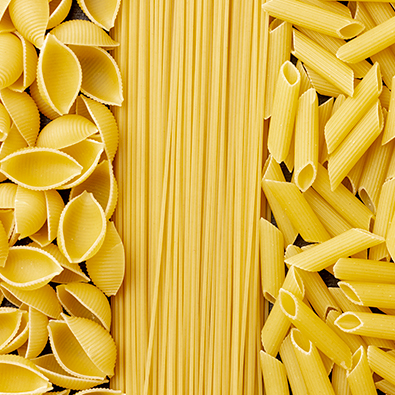
DifficultyHistory of pasta: a romance lasting thousands of yearsThe history of pasta is very ancient. It developed in parallel and independent ways in Asia and Europe. In particular, in the Mediterranean area it was already known centuries before the year 0. It was only in the Middle Ages that boiling was introduced as a cooking method. Since then, the world of pasta has expanded more and more, with many recipes varying according to the type of pasta and the local traditions of the Italian regions.
-
|
Preparation This guide is just the beginning: we’ve given you hints, tips and recipes, now it’s up to you to choose which types of pasta to try, the recipes and the sauces to go with them. Don’t worry, we will be with you on this journey, but in the meantime we invite you to start unleashing your creativity in the kitchen and… bon appetit! |
Servings for Servings for Other types of pasta |
 -
-
The types of pasta